Gas vs. Electric vs. Tankless Water Heaters: How to Choose the Right System for Your Home
Gas vs. Electric vs. Tankless Water Heaters: How to Choose the Right System for Your Home
When it’s time to replace a water heater, homeowners often ask the same question: Which type is best — gas, electric, or tankless?
The truth is there isn’t a single “best” option for every home. The right water heater depends on your home’s utilities, household size, hot water demand, and long-term energy goals.
At Spectrum Plumbing, we help homeowners evaluate the pros, cons, costs, and efficiency of each system so you can choose the right solution for your home.
Below is a breakdown of the three main types of water heaters and how to determine which one is right for you.
Gas Water Heaters
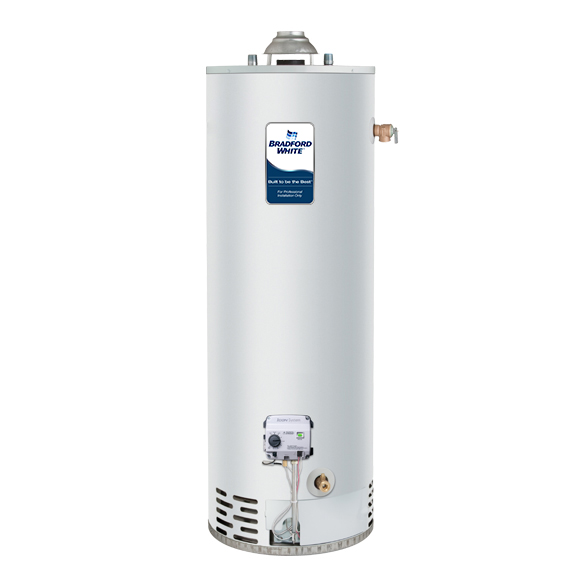
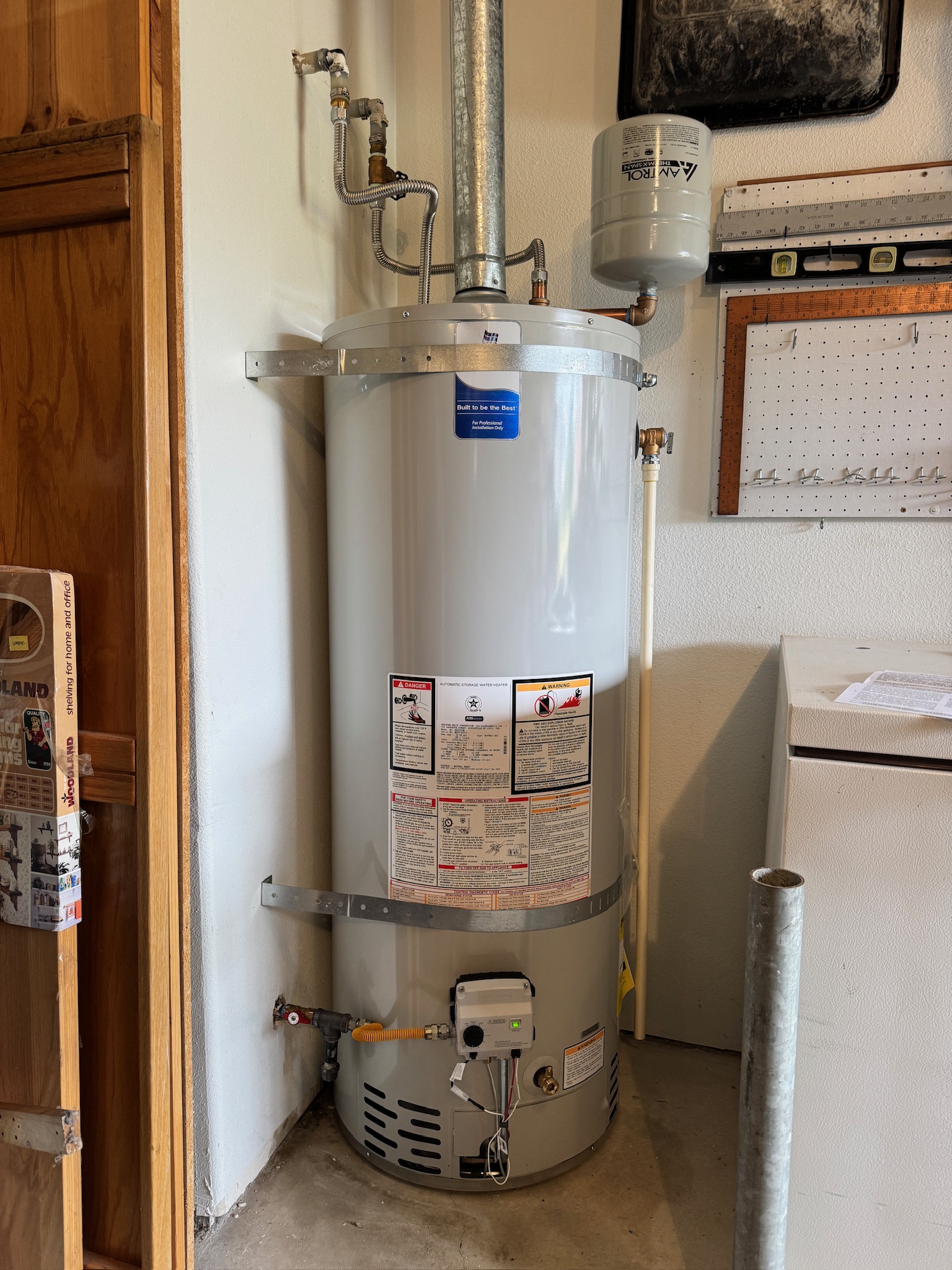
Gas water heaters are one of the most common systems found in homes across Oregon. They heat water using a natural gas burner located at the bottom of the tank.
Benefits of Gas Water Heaters
Faster recovery time
Gas water heaters typically heat water faster than electric units, which means your tank refills with hot water more quickly.
Lower operating cost
Natural gas is usually cheaper than electricity, which can make gas water heaters more economical to run over time.
Works during power outages
Most gas water heaters can continue operating even if the power goes out.
Drawbacks
Requires a natural gas line
Needs proper venting for combustion gases
Slightly higher installation complexity
Best For
Gas water heaters are often the best choice for:
Larger families
Homes with high hot water demand
Homes already equipped with natural gas
Electric Water Heaters
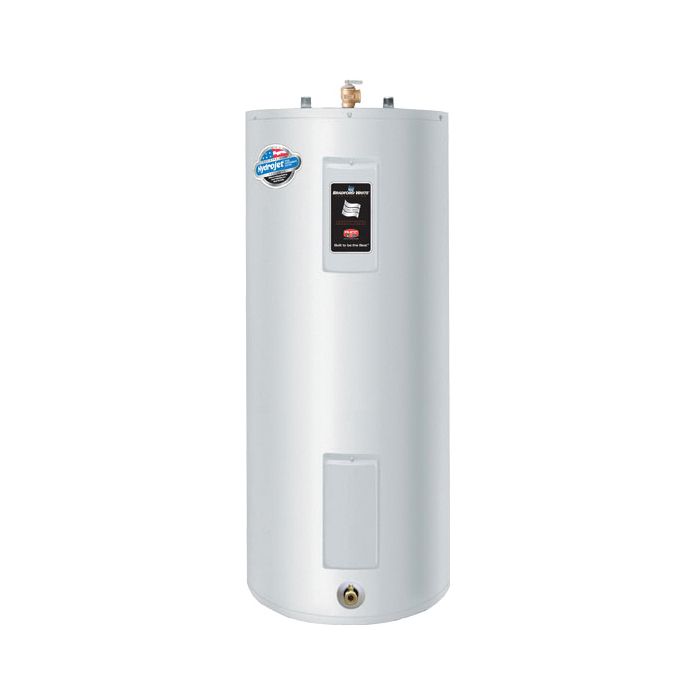
Electric water heaters use heating elements inside the tank to heat the water. These systems are common in homes without natural gas service.
Benefits of Electric Water Heaters
Lower installation cost
Electric units are typically simpler to install because they don’t require venting.Compact design
Electric water heaters often fit more easily into closets, garages, or utility spaces.Highly efficient heating
Electric systems convert nearly all the electricity they use directly into heat.Drawbacks
Slower heating recovery time
Higher monthly operating cost in some areas
Won’t operate during power outages
Best For
Electric water heaters work well for:
Smaller households
Homes without natural gas service
Properties looking for lower upfront installation costs
Tankless (On-Demand) Water Heaters
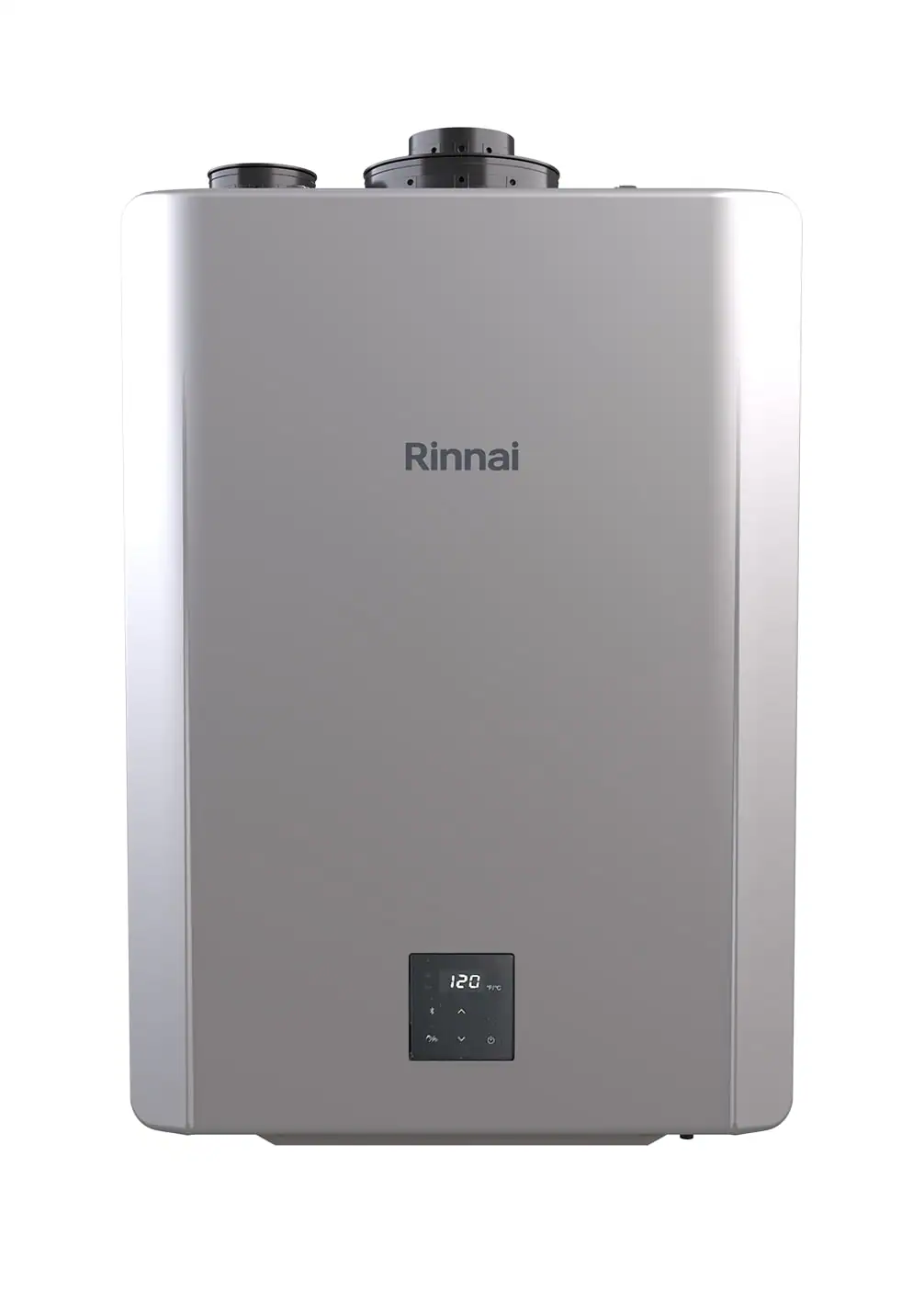
Tankless water heaters — also called on-demand systems — heat water instantly when you turn on the tap instead of storing hot water in a tank.
Benefits of Tankless Water Heaters
Unlimited hot water
Because water is heated as it flows through the unit, you don’t run out of hot water.Energy efficiency
Tankless systems only operate when hot water is needed, reducing standby heat loss.Longer lifespan
Tankless water heaters can last twice as long as traditional tank systems.Space saving design
These units mount on the wall and take up far less space than a tank heater.Drawbacks
Higher upfront installation cost
May require gas line upgrades or electrical upgrades
May struggle with multiple simultaneous hot water demands if undersized
Best For
Tankless water heaters are ideal for:
Homes looking for long-term energy efficiency
Households that use large amounts of hot water
Homeowners planning long-term upgrades
How to Choose the Right Water Heater for Your Home
Choosing the right water heater depends on several key factors.
1. Your Home’s Energy Source
If your home already has natural gas service, a gas or tankless gas water heater may be the most efficient option.
Homes without gas service may benefit from electric water heaters or electric tankless systems.
2. Household Size
The number of people in your home affects hot water demand.
Typical recommendations:
1–2 people: 40 gallon tank
3–4 people: 50 gallon tank
5+ people: 75 gallon tank or tankless system
3. Upfront Budget vs. Long-Term Savings
Tankless systems cost more initially but can provide long-term energy savings and longer lifespan.
Traditional tanks are usually cheaper upfront.
4. Space Availability
Tankless units are ideal if your home has limited space or if you want to free up storage area.
When It’s Time to Replace Your Water Heater
No matter which type you choose, water heaters eventually wear out. Signs it may be time for replacement include:
Rust colored water
Inconsistent water temperature
Strange noises from the tank
Water leaks around the unit
Water heater age (typically 8–12 years for tank systems)
Replacing an aging system before failure can help prevent water damage and emergency plumbing repairs.
Need Help Choosing a Water Heater?
If you're considering a gas, electric, or tankless water heater, Spectrum Plumbing can help you determine which system is best for your home and budget.
Contact us today to schedule a consultation.
Spectrum Plumbing
Serving homeowners with professional plumbing services you can trust.📞 503-917-3259
Leave us a review:
https://share.google/L5NbAolKxCRHqZLqc