
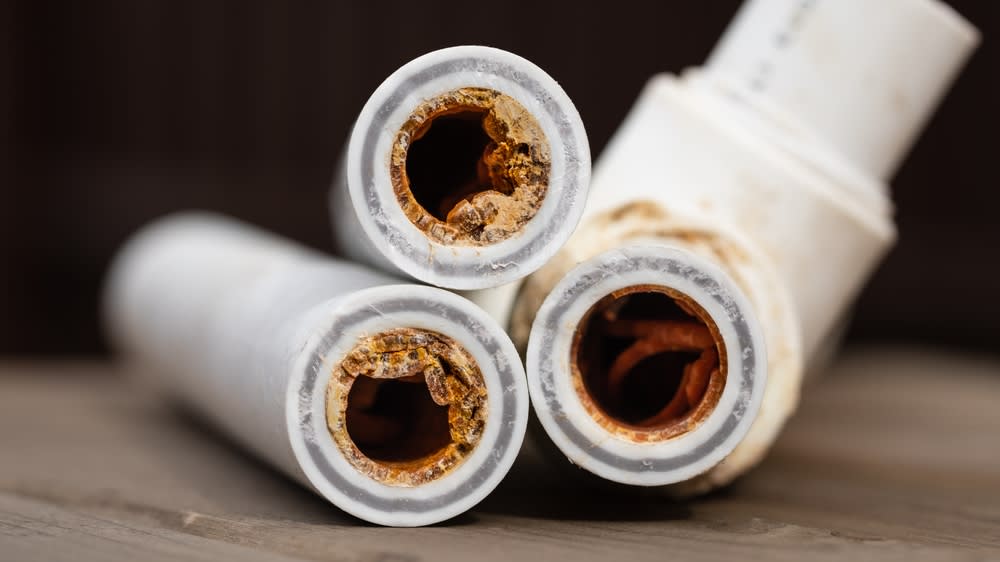
If you live in Keizer, Oregon, you've probably heard a few complaints about the local water quality. At Spectrum Plumbing, we've been hearing frustrations from homeowners about stubborn rings in toilet bowls, unpleasant-tasting water, mineral buildup on fixtures, and plumbing components that seem to need frequent repairs.
While these problems can have different causes, one thing worth looking into is the mineral content of your home's water.
Why Does Keizer Have Hard Water?
Unlike neighboring Salem, which primarily draws its drinking water from the North Santiam River, Keizer gets its water from underground wells.
Groundwater naturally picks up minerals as it moves through soil and rock. Some of these minerals, particularly calcium and magnesium, contribute to what's known as hard water.
According to the City of Keizer, the municipal water supply averages approximately 140 parts per million of hardness, or about 8 grains per gallon. That's considered hard water.
While hard water isn't necessarily unsafe to drink, it can create frustrating problems throughout your home.
Signs Your Keizer Home May Have Hard Water
Hard water doesn't always make itself obvious right away. Often, homeowners notice the effects long before realizing their water may be contributing to the problem.
Some common signs include:
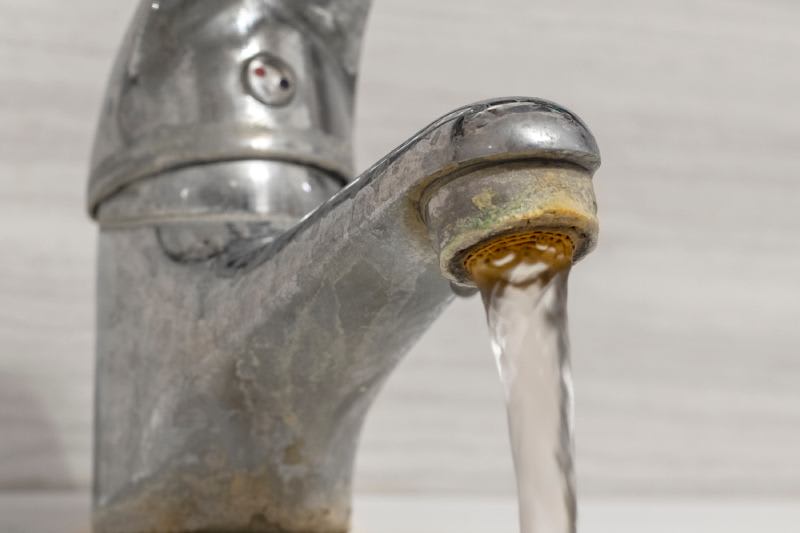
- Stubborn rings in toilet bowls: Mineral deposits can leave stains that are difficult to remove, even with regular cleaning.
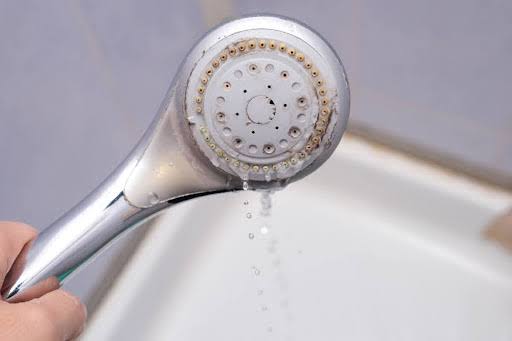
- White buildup around faucets and showerheads: Calcium deposits can accumulate on fixtures and restrict water flow.
- Frequent fixture maintenance: Mineral deposits may interfere with cartridges, aerators, valves, and other plumbing components.
- Spots on dishes and glassware: Hard water can leave residue behind after water evaporates.
- Reduced water heater efficiency: Mineral deposits can accumulate inside water heaters and interfere with heat transfer.
Homeowners may also notice unpleasant tastes or odors in their water. While these concerns aren't necessarily caused by hardness, they can indicate that additional water testing or treatment is worth considering.
It's also important to understand that not all staining comes from calcium buildup. Iron and manganese, which can occur naturally in groundwater, can contribute to discoloration in toilets, sinks, and other fixtures.
How Hard Water Can Affect Your Plumbing
One of the biggest concerns with hard water isn't necessarily what you can see on the outside of your fixtures. It's what may be happening inside your plumbing system.
As water moves through your home's pipes, water heater, faucets, and appliances, minerals can accumulate over time.
These deposits can contribute to:
- Restricted water flow through faucets and showerheads
- Premature wear or malfunction of certain plumbing components
- Increased maintenance needs for water heaters
- Reduced efficiency in appliances that heat water
- More frequent cleaning and maintenance of fixtures
That doesn't mean every plumbing repair is caused by hard water. However, mineral buildup can be a contributing factor, particularly in homes where it has accumulated for years.
So, What's the Solution?
We understand why homeowners are frustrated. Ideally, water quality concerns would be addressed before the water ever reaches our homes.
But while residents can certainly bring their concerns to the City of Keizer, homeowners may also want to explore solutions they can implement themselves.
One option is installing a whole-home water treatment system.
These systems are installed where water enters your home, allowing water to be treated before it reaches your faucets, showers, water heater, and other plumbing fixtures.
The important thing to understand is that not all water treatment systems accomplish the same thing.
Whole-Home Water Filtration
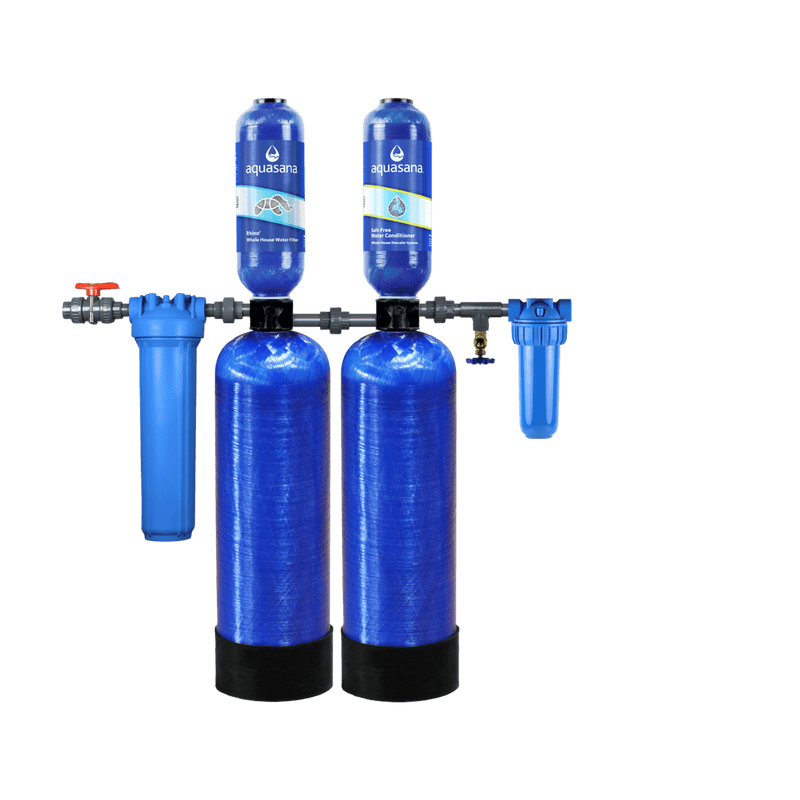
Whole-home filtration systems can be designed to reduce specific substances, such as sediment, iron, manganese, or certain compounds that affect water taste and odor.
The appropriate system depends on what is actually present in your water.
Water Softeners
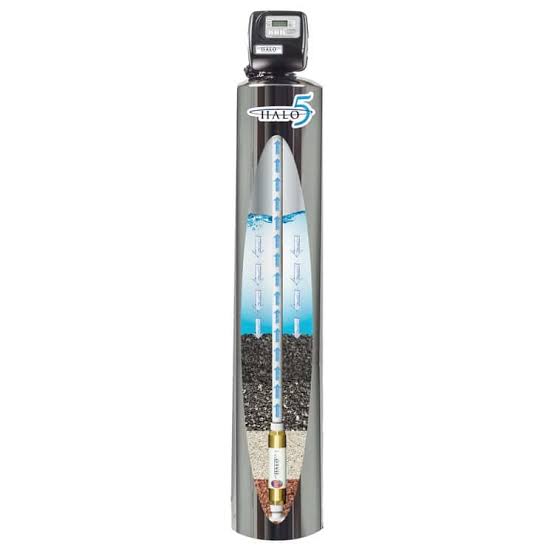
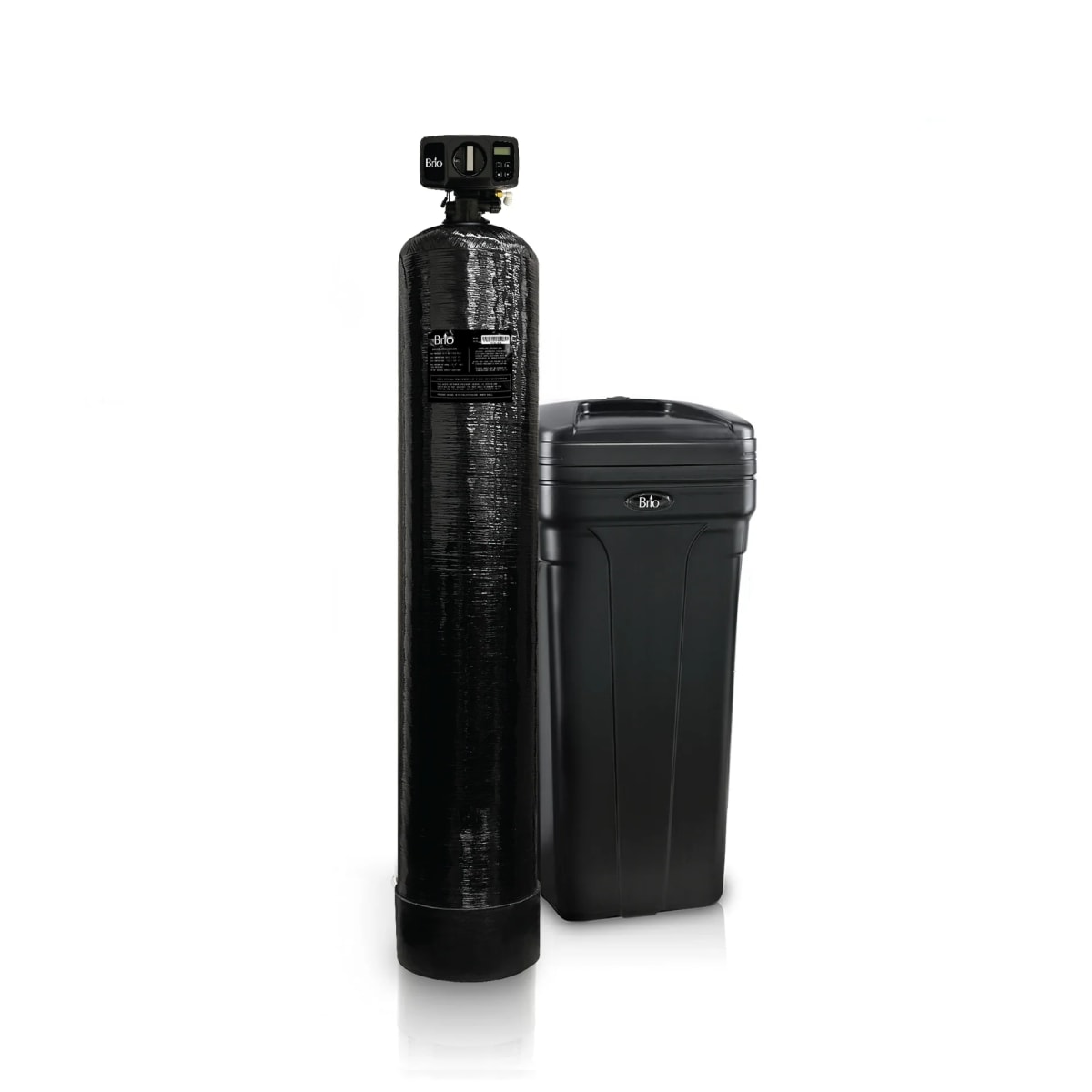
Water softeners specifically target hardness minerals, including calcium and magnesium.
By reducing those minerals, a water softener can help minimize scale buildup and reduce some of the maintenance associated with hard water.
A standard sediment or carbon filter, however, generally won't remove the dissolved minerals responsible for water hardness.
Reverse Osmosis Systems
For homeowners primarily concerned about the taste or composition of their drinking water, a reverse osmosis system may be another option.
These systems are commonly installed at a kitchen sink to treat water used for drinking and cooking.
Depending on your water quality concerns, a combination of treatment methods may be appropriate.
Is Whole-Home Water Treatment Worth the Investment?
Plumbing repairs and replacements aren't cheap, and we understand that homeowners want to get as much life as possible out of their fixtures and appliances.
If mineral buildup is contributing to repeated plumbing problems, addressing the water itself may help reduce future maintenance and protect your investment.
But we also believe in being realistic about what these systems can and cannot do.
A water treatment system won't fix existing plumbing damage, and no single system addresses every possible water quality concern.
Before investing in equipment, we recommend identifying what's actually causing the problems in your home. Water testing can help determine which treatment options are appropriate.
Improving Water Quality in Keizer, Oregon
At Spectrum Plumbing, we believe homeowners deserve honest information about their plumbing and the options available to them.
If you're tired of dealing with mineral buildup, stubborn fixture stains, or recurring plumbing problems, we'd be happy to discuss whether a whole-home filtration or water treatment system makes sense for your home.
Our goal isn't to sell you equipment you don't need. It's to help you make informed decisions that protect your plumbing and your investment.
Have questions about water treatment for your Keizer home?
Contact Spectrum Plumbing LLC to discuss your plumbing concerns and available treatment options.
Phone: 503-917-3259
Website: spectrumplumbingllc.com
CCB #255529

