Not Every Plumbing Leak Is Easy to Spot
When most people picture a plumbing leak, they imagine water dripping beneath a sink or pooling around a fixture.
Unfortunately, leaks aren't always that obvious.
Plumbing runs behind walls, beneath floors, through crawlspaces, and underground between your water meter and your home. A leak in one of these areas can sometimes go unnoticed until it has wasted a significant amount of water or caused damage.
For homeowners in Monmouth, Oregon, knowing some of the less obvious signs of a hidden plumbing leak can help you catch a problem sooner.
Here are some things to watch for.
1. Your Water Bill Suddenly Increased
One of the first signs of a hidden water leak may actually show up on your utility bill.
If your household hasn't changed its water usage but your bill suddenly increases, it's worth investigating where that additional water is going.
Keep in mind that a higher bill doesn't automatically mean you have a leaking pipe. Seasonal irrigation, additional guests, changes in household habits, or utility rate changes can also affect your bill.
But if you can't explain the increase, your plumbing is a good place to start looking.
And don't forget about your toilets! A toilet can continuously lose water into the bowl without ever leaving a puddle on your bathroom floor.
2. Your Water Meter Moves When Everything Is Turned Off
Your water meter can be a useful tool when you're trying to determine whether water is being used somewhere in your home.
You can perform a simple check yourself:
- Turn off all faucets and make sure nobody is using water.
- Make sure water-using appliances aren't running.
- Turn off irrigation or sprinklers connected to the same water supply.
- Check your water meter and note the reading or leak indicator.
- Avoid using any water for a period of time.
- Check the meter again.
If the meter continues to show water usage when you know everything is off, water may be flowing somewhere that it shouldn't be.
This doesn't necessarily tell you where the problem is, but it's a good indication that further investigation may be needed.
3. You Hear Running Water When Nothing Is On
Have you ever walked through your house and wondered, Why does it sound like water is running?
Sometimes there's a perfectly normal explanation. A toilet may be refilling, an appliance may be operating, or someone may have recently used a fixture.
But persistent dripping, hissing, or running-water sounds when everything should be off are worth paying attention to.
If you repeatedly hear water behind a wall, beneath the floor, or near a plumbing fixture without an obvious source, don't ignore it.
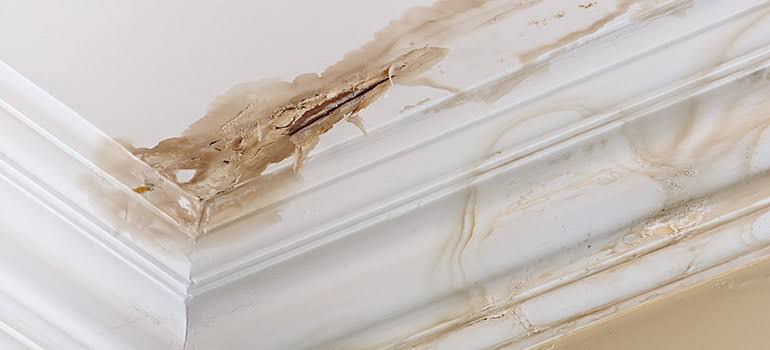
4. You Notice Stains, Dampness, or Changes to Walls and Floors
Sometimes the first visible sign of a hidden leak isn't flowing water. It's the damage the moisture leaves behind.
Watch for:
- Water stains on ceilings or walls
- Bubbling or peeling paint
- Soft or discolored drywall
- Warped or buckling flooring
- Damp cabinets
- Moisture around baseboards
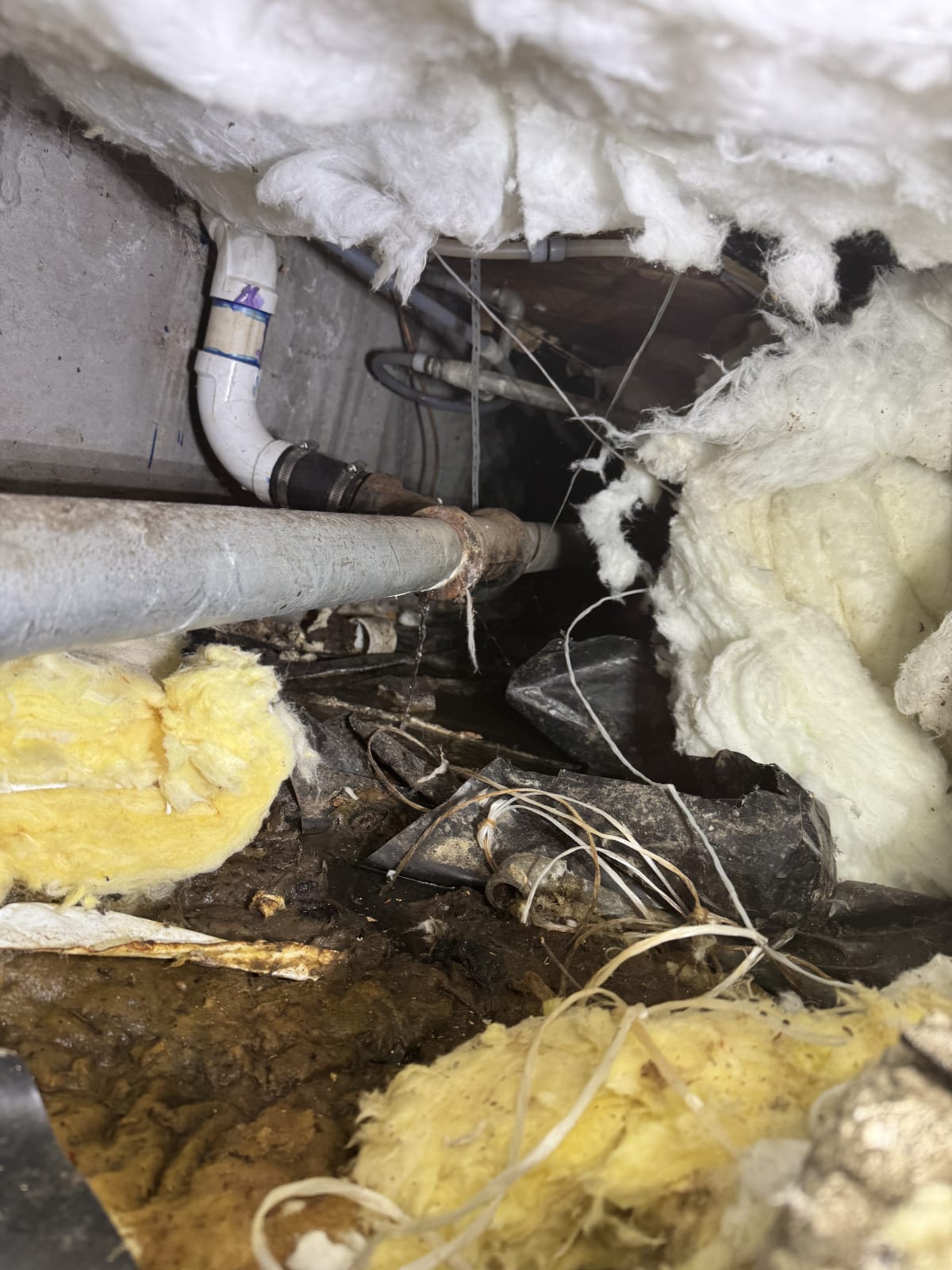
- Unexplained wet areas in a crawlspace
A small amount of discoloration doesn't tell you exactly what caused it, but unexplained or recurring moisture deserves further investigation.
Simply drying the area or painting over a stain won't solve the problem if there's still a leak behind it.
5. There's a Musty Smell You Can't Explain
If an area of your home continually smells damp or musty, moisture may be present somewhere you can't readily see.
The source isn't always plumbing. Roof leaks, condensation, exterior drainage, and other moisture issues are possibilities too.
But when the odor is near a bathroom, kitchen, laundry room, water heater, or another area containing plumbing, a hidden water leak should be considered.
Finding the source of the moisture is more important than simply masking the smell.
6. Your Water Pressure Has Changed
A noticeable change in water pressure can have many possible causes.
It could be related to a fixture, clogged aerator, pressure regulator, valve, aging galvanized plumbing, municipal water supply, or another issue.
In some circumstances, a leak can also contribute to pressure problems.
That's why we don't recommend assuming that low water pressure automatically means you need a repipe—or that you have a leak.
The important part is figuring out why the pressure changed before deciding what needs to be repaired.
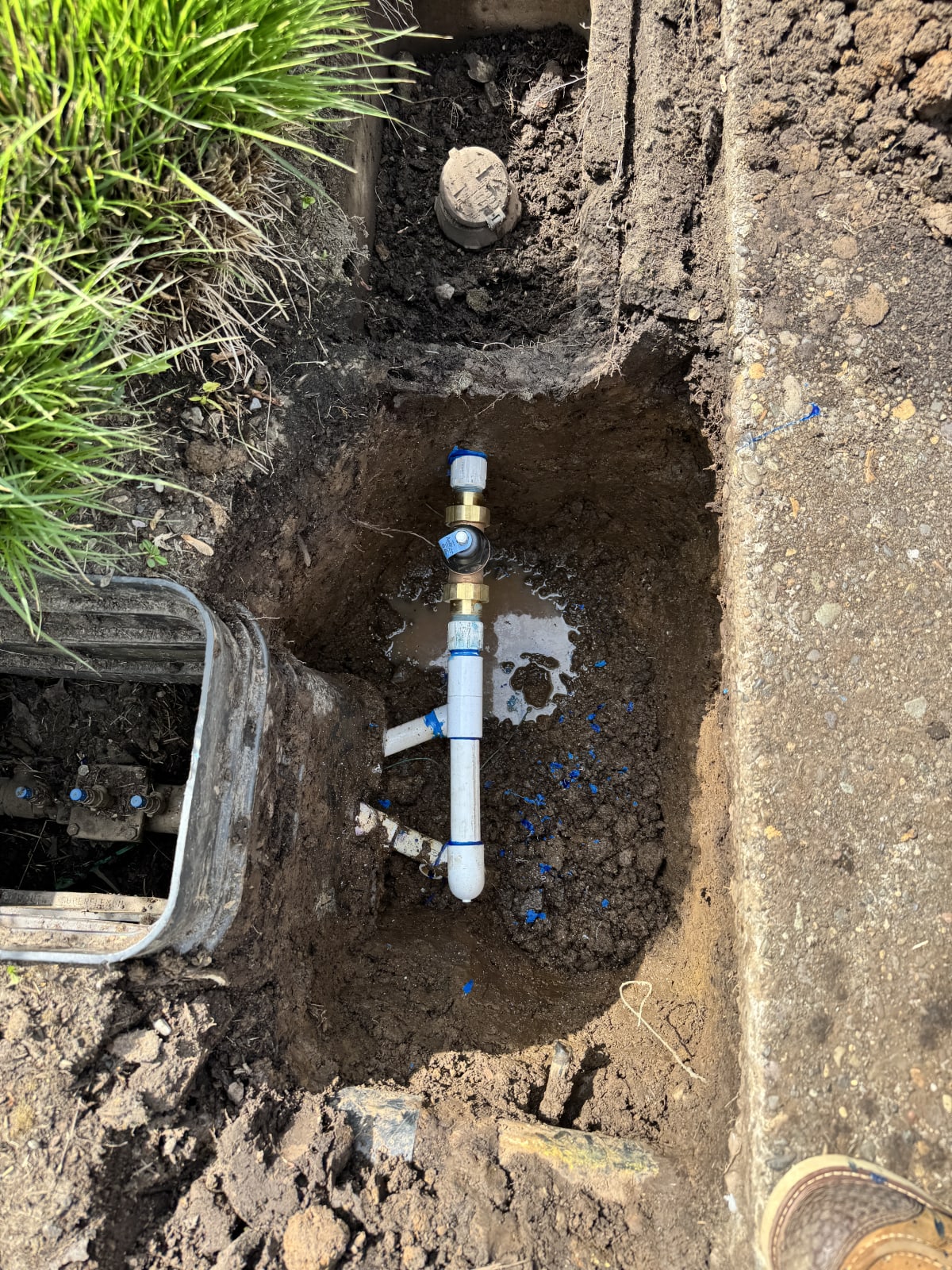
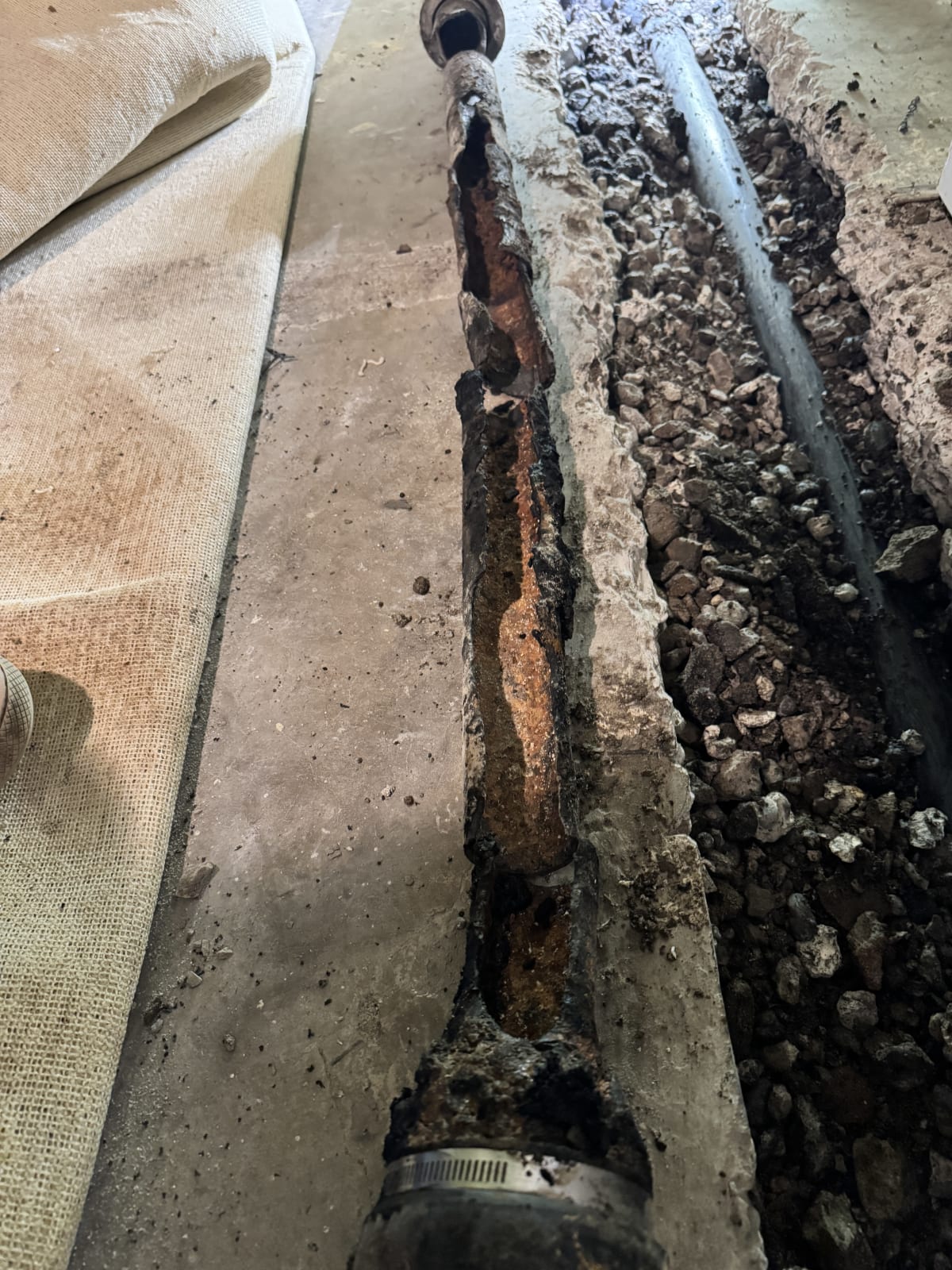
7. Your Main Water Line Could Be Leaking Underground
Not every hidden plumbing leak happens inside the house.
Your main water service line runs underground between the water supply and your home. Because you can't see most of this piping, a leak may continue for some time before becoming obvious.
Possible signs of an underground water line problem include:
- Unexplained water usage
- An unusually high water bill
- Changes in water pressure
- Soggy or unusually wet areas outside
- Water collecting where it normally doesn't
- Your water meter registering usage when fixtures aren't being used
These signs don't automatically mean your entire water service needs to be replaced.
The location of the problem, piping material, age, and overall condition of the line all matter when determining whether an isolated repair or replacement makes the most sense.
Can You Have a Plumbing Leak Without Seeing Water?
Absolutely.
Some plumbing leaks occur in areas homeowners rarely—or never—see.
A pipe can leak behind drywall. Water can escape beneath flooring. Plumbing can leak inside a crawlspace. A water service line can lose water underground before it ever reaches the house.
That's why the first clue may be something seemingly unrelated, such as a higher water bill, unexplained water-meter activity, lower water pressure, a strange sound, or persistent dampness.
You don't necessarily need to see water dripping to have a water leak.
Finding the Leak Before Recommending the Fix
At Spectrum Plumbing, we believe the first step should be figuring out what's actually happening—not jumping straight to the most expensive solution.
A hidden leak doesn't automatically mean you need a whole-house repipe or a new main water line.
Sometimes the problem is isolated and repairable. Other times, what we find may reveal a larger issue with aging or deteriorating plumbing, and it may make more financial sense to discuss replacement rather than repeatedly repairing the same system.
Every home and every leak is different.
Our job is to identify the plumbing problem, explain what we find, and help you understand your options so you can make an informed decision about your home.
What Should You Do If You Think You Have a Water Leak?
If you suspect a significant active leak, knowing where your home's main water shutoff valve is located can be extremely important.
If water is actively causing damage and it's safe to do so, shutting off the home's water supply can help limit additional damage while you arrange for repairs.
For less obvious leaks, start by documenting what you've noticed. Check your water bill. Look at your meter. Pay attention to unusual sounds. Look for moisture or staining.
These details can all be helpful when a plumber begins diagnosing the problem.
Most importantly, don't wait until a minor warning sign turns into an obvious plumbing emergency.
Think You May Have a Hidden Plumbing Leak?
Don't wait for a hidden leak to turn into a bigger plumbing problem. Spectrum Plumbing can help determine what's going on, explain what we find, and discuss the options that make sense for your home.
Spectrum Plumbing LLC
Call to schedule: 503-917-3259
CCB #255529
View Spectrum Plumbing on Google
Providing an entire spectrum of quality plumbing services.