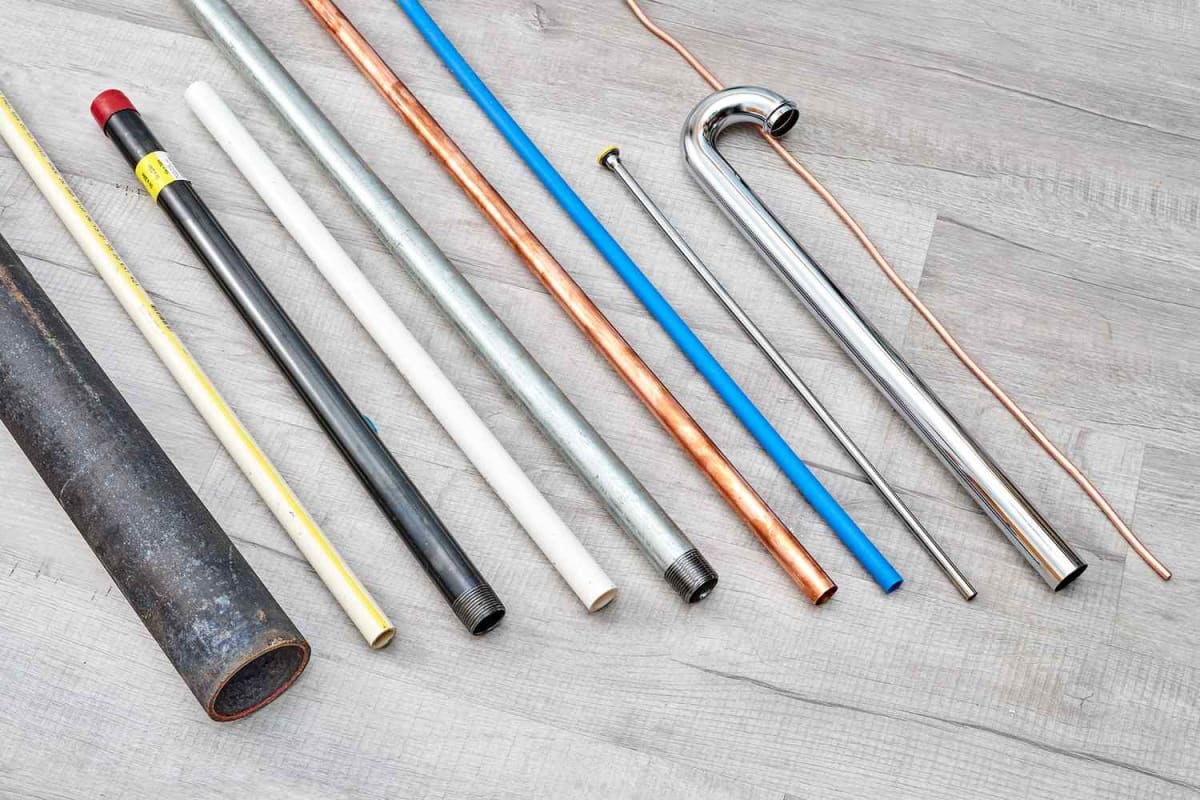
If you've ever looked under a sink, inside a crawl space, or behind an open wall during a remodel, you've probably noticed that not all plumbing pipes look the same.
Homes in Monmouth and throughout the Willamette Valley can contain a variety of piping materials depending on when the home was built, remodeled, or repaired. Some piping materials have stood the test of time, while others are known for leaks, corrosion, or premature failure.
Understanding what type of plumbing pipes are in your home can help you make informed decisions about repairs, maintenance, and future upgrades.
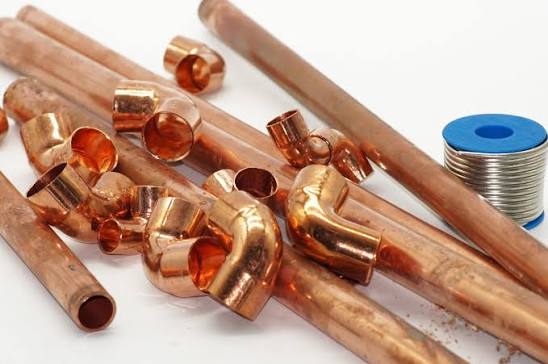
Copper Pipe
Copper was the gold standard for residential plumbing for many decades and is still widely used today.
Pros
- Long lifespan
- Resistant to bacteria growth
- Handles hot and cold water well
- Durable and reliable
- Commonly accepted by homeowners and inspectors
Cons
- More expensive than alternative materials
- Can develop pinhole leaks over time
- Susceptible to damage from acidic water conditions
- Requires soldering during installation
Copper remains one of the most trusted plumbing materials available and is still a common choice for repairs and new installations.
PEX Pipe
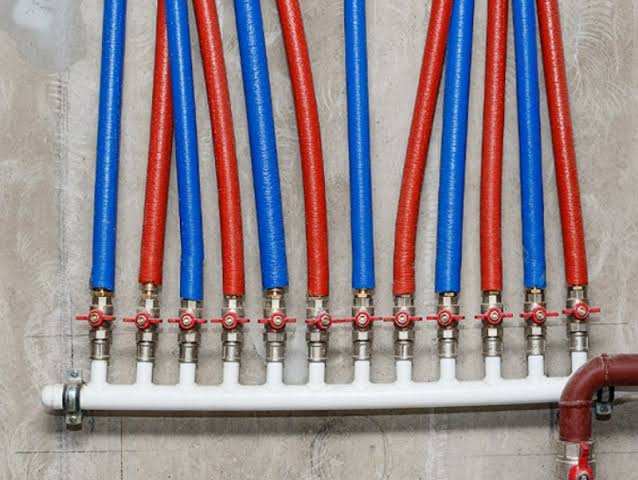
PEX (cross-linked polyethylene) has become one of the most popular plumbing materials used in modern homes.
Pros
- Flexible and easy to install
- Resistant to freezing damage
- Less expensive than copper
- Fewer fittings required
- Corrosion resistant
Cons
- Cannot be exposed to prolonged UV light
- Some homeowners prefer traditional materials
- Requires specialized fittings and tools
PEX is currently one of the most common materials used in residential repipes throughout Monmouth and the surrounding area.
Galvanized Steel Pipe
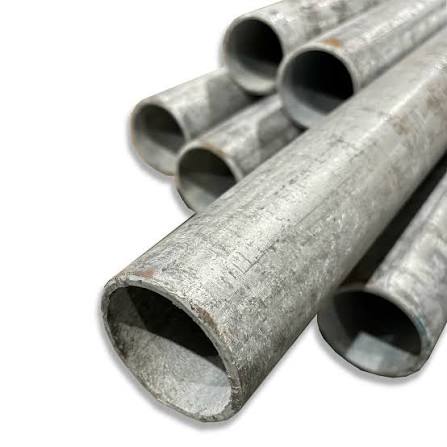
Many older homes built before the 1970s still contain galvanized steel piping.
Pros
- Extremely durable when new
- Strong and impact resistant
Cons
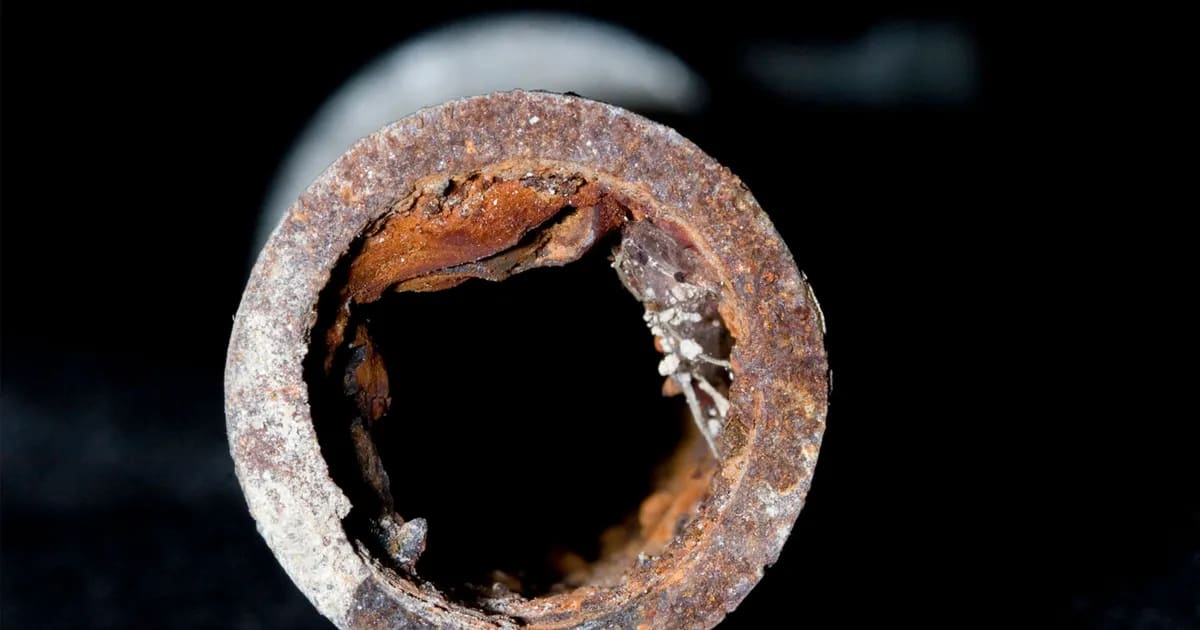
- Prone to internal corrosion
- Water pressure often decreases with age
- Can cause discolored water
- More susceptible to leaks as the pipe deteriorates
- Difficult and costly to repair
Galvanized piping is one of the most common reasons homeowners contact us about low water pressure, rusty water, and repiping projects.
CPVC Pipe
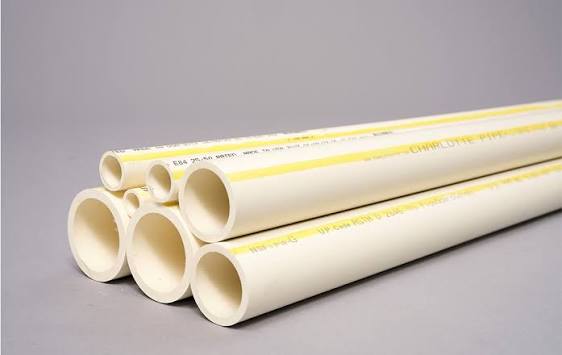
CPVC (chlorinated polyvinyl chloride) became a popular alternative to copper in many homes built during the 1980s through early 2000s.
Pros
- Lower installation cost
- Corrosion resistant
- Lightweight
Cons
- Becomes brittle with age
- Can crack unexpectedly
- More susceptible to damage during repairs
- Often fails at fittings and connections
Many aging CPVC systems are now reaching the point where homeowners are choosing partial or whole-home repipes.
PVC Pipe
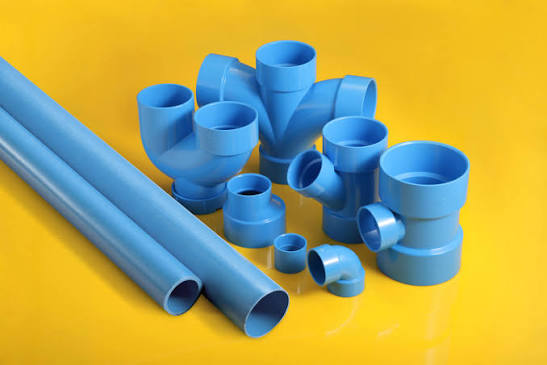
PVC is commonly used for drain, waste, and vent systems rather than water supply piping.
Pros
- Affordable
- Lightweight
- Corrosion resistant
- Easy to repair
Cons
- Not approved for hot water distribution
- Can become brittle with age or UV exposure
PVC remains one of the most common materials used for residential drainage systems.
ABS Pipe
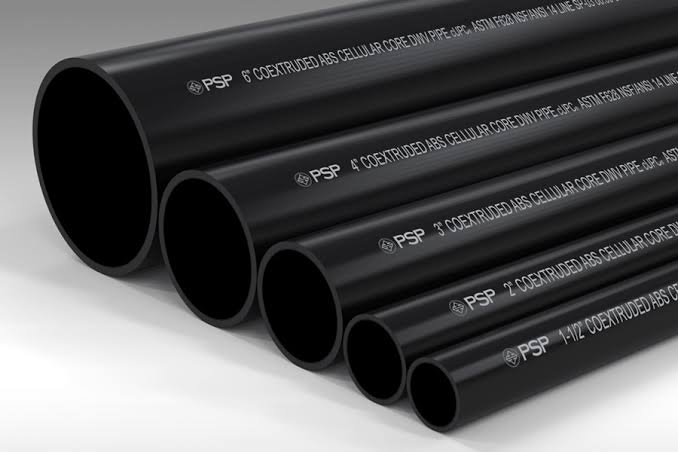
ABS piping is frequently found in older drain and sewer systems throughout Oregon.
Pros
- Strong and durable
- Lightweight
- Performs well underground
Cons
- Can crack with age
- Some older systems may develop joint separation
- More vulnerable to sun exposure than PVC
Many sewer lines in Monmouth homes are still constructed from ABS piping and continue to perform well when properly maintained.
Which Pipe Is Best?
The answer depends on your home's age, plumbing system, budget, and long-term goals.
For most modern water supply systems, PEX and copper are generally considered the top choices. Homes with aging galvanized or brittle CPVC piping often benefit from evaluating replacement options before leaks occur.
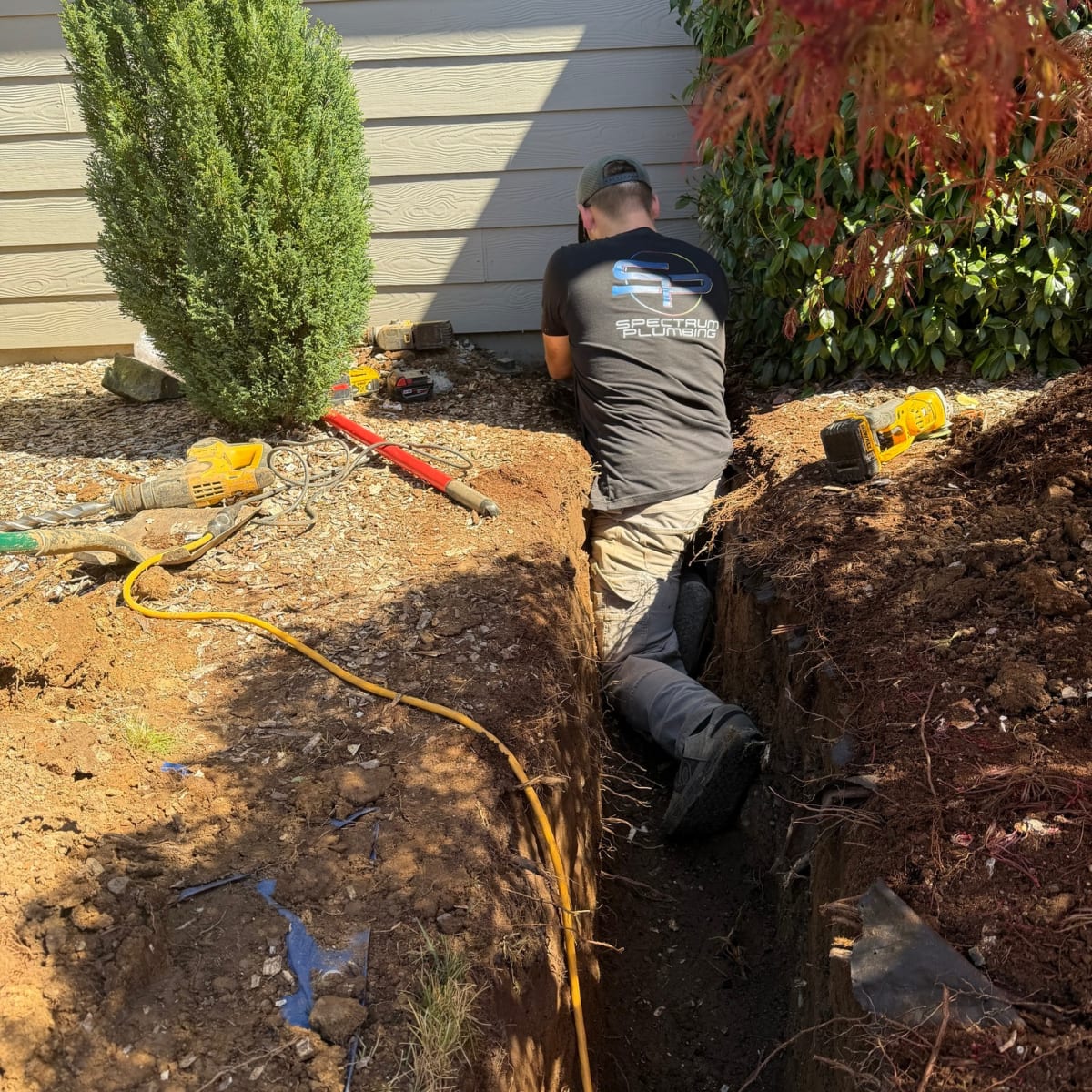
If you're unsure what type of piping exists in your home, a professional plumbing inspection can provide valuable information and help identify potential concerns before they become expensive emergencies.
Need Help Identifying Your Pipes?
Whether you're dealing with low water pressure, aging galvanized pipes, brittle CPVC, or planning a remodel, Spectrum Plumbing can help evaluate your plumbing system and recommend the best solution for your home.
Spectrum Plumbing LLC CCB #255257 503-917-3259 https://spectrumplumbingllc.com
Leave us a review: https://share.google/L5NbAolKxCRHqZLqc