10 Plumbing Problems We Find During Home Inspections in Salem & Keizer
Buying a home is exciting, but it can also come with a few surprises—especially when it comes to the plumbing. While a standard home inspection is an important part of the buying process, many plumbing problems aren't visible without a more thorough evaluation.
At Spectrum Plumbing, we've inspected homes throughout Salem, Keizer, West Salem, and the surrounding Willamette Valley. Many of the homes in our area were built between the 1950s and 1980s, which means we frequently encounter aging plumbing systems that are nearing the end of their service life.
If you're buying a home, here are the 10 plumbing problems we find most often—and what they could mean for you.
1. Aging Galvanized Water Pipes
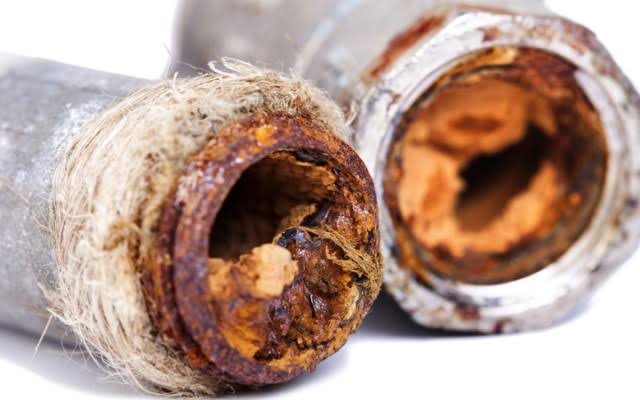
Galvanized steel water pipes were once the standard in residential construction, but they're one of the most common plumbing concerns we encounter today.
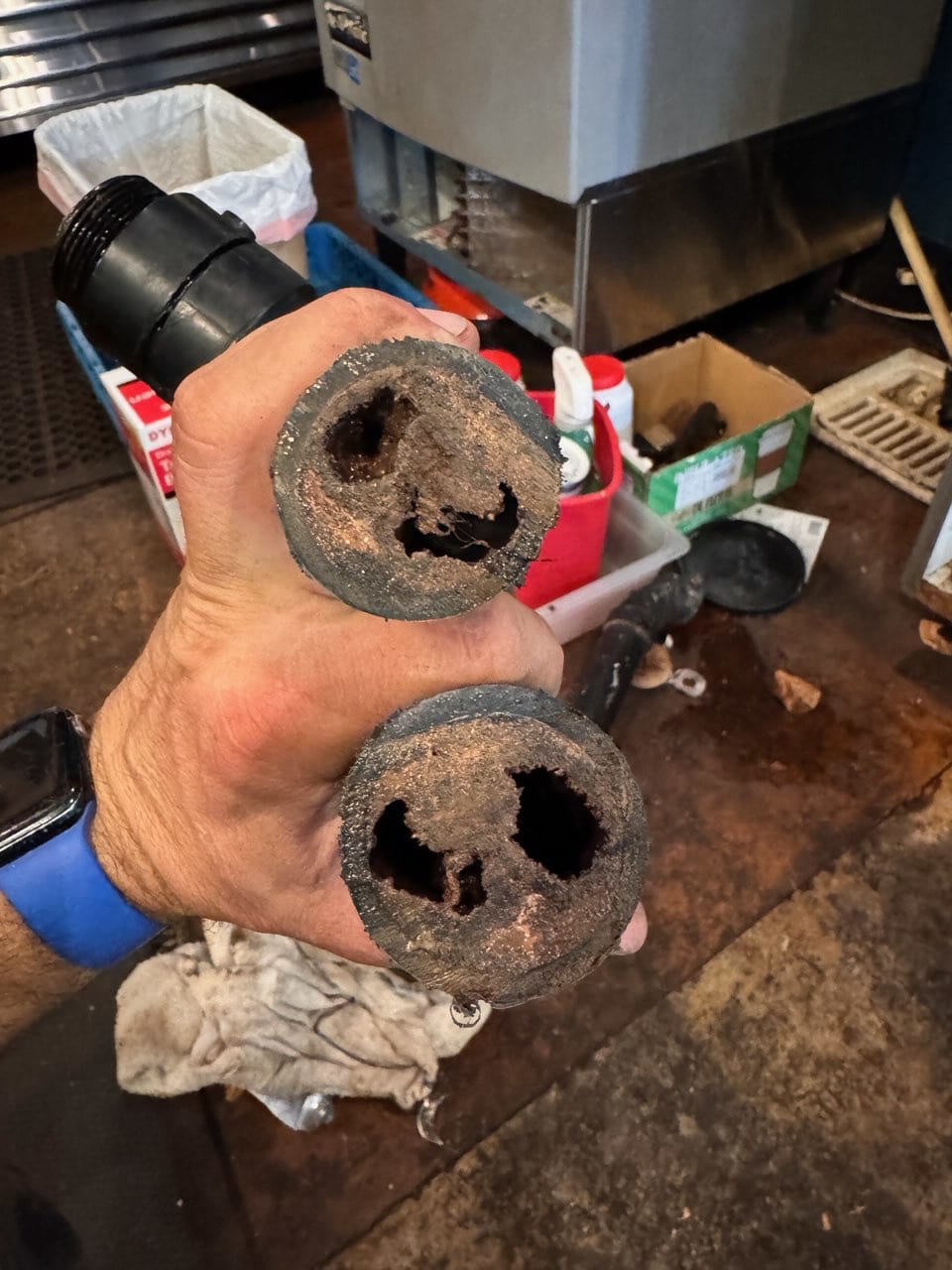
Over time, galvanized pipes corrode from the inside out. As corrosion builds, the inside diameter of the pipe becomes smaller, restricting water flow and reducing water pressure throughout the home.
Common signs include:
- Low water pressure
- Rust-colored water
- Frequent leaks
- Visible galvanized piping in crawlspaces or basements
While galvanized plumbing doesn't always require immediate replacement, it should be considered when budgeting for future home maintenance.
2. Deteriorating Concrete Sewer Lines
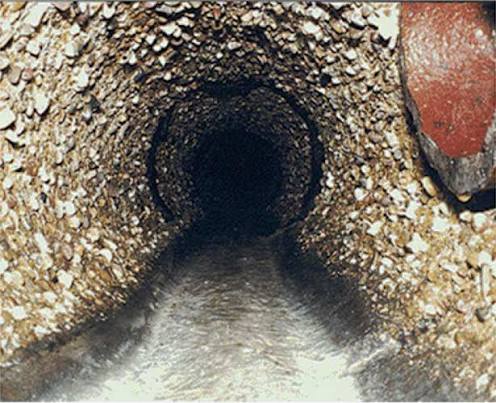
Concrete sewer pipe is extremely common in older Salem and Keizer neighborhoods.
Although concrete was a durable material for its time, decades of wastewater exposure eventually cause the cement to deteriorate. As the cement breaks down, the rock aggregate inside the pipe becomes exposed.
This deterioration often leads to:
- Cracks
- Pipe separations
- Root intrusion
- Recurring sewer backups
These are among the most common sewer issues we identify during camera inspections.
3. Root Intrusion
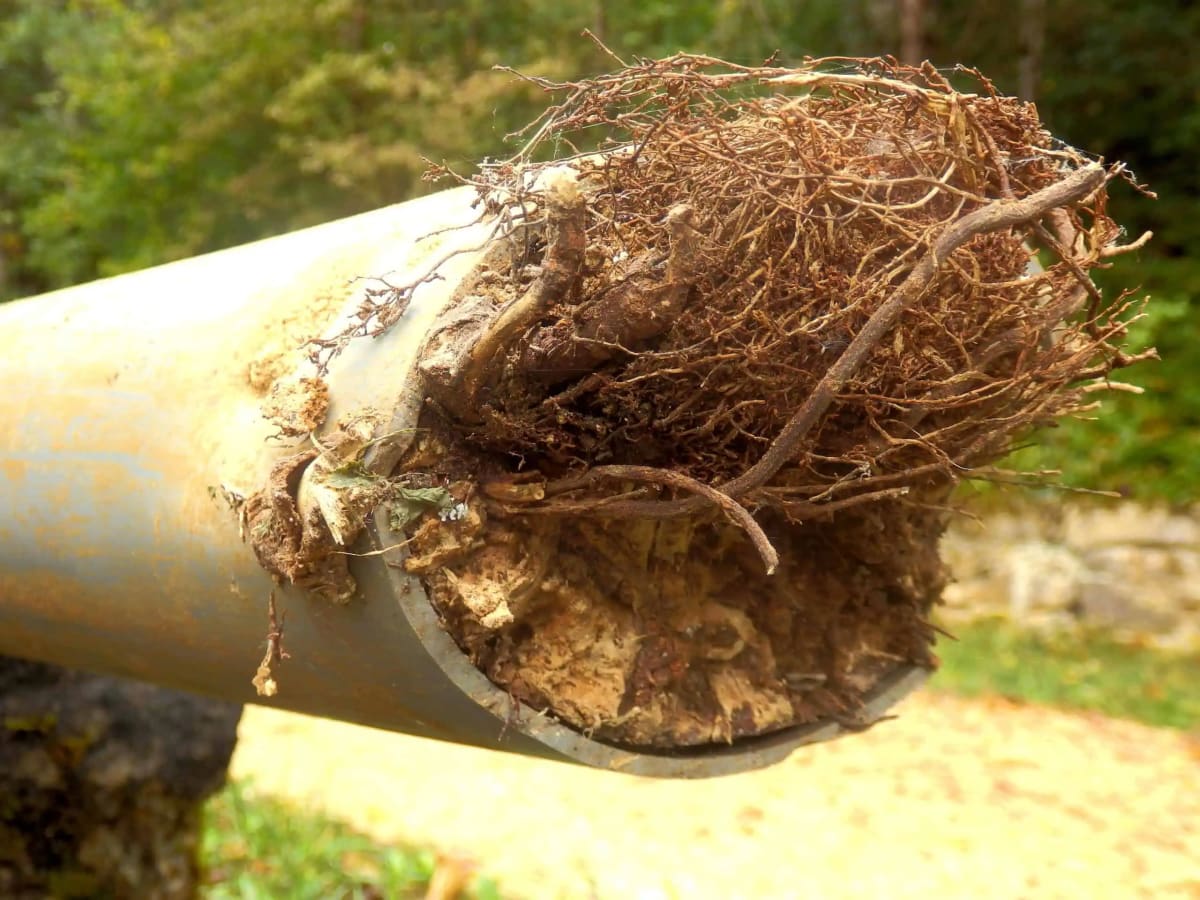
Tree roots naturally grow toward moisture, making sewer lines an attractive source of water.
Older concrete and clay sewer pipes commonly develop small cracks or separated joints, allowing roots to enter the pipe. Once inside, roots continue to grow and collect toilet paper, grease, and other debris until they eventually cause a blockage.
Routine drain cleaning can temporarily remove roots, but the underlying problem remains until the damaged pipe is repaired or replaced.
4. Water Heaters Near the End of Their Life
Many water heaters continue operating long after they've exceeded their expected lifespan.
During inspections we frequently find:
- Rust around fittings
- Active leaks
- Corrosion
- Improper installations
- Missing expansion tanks or seismic strapping
- Units approaching the end of their useful life
Replacing a water heater before it fails can help prevent costly water damage and emergency replacement.
5. DIY Plumbing Repairs
Not every plumbing repair is completed by a licensed plumber.
It's common to find years of homeowner repairs involving mismatched materials, improper fittings, or temporary fixes that have become permanent.
We often see:
- Incorrect drain configurations
- Flexible drain piping installed improperly
- Unsupported water lines
- Multiple pipe materials patched together
- Improper venting
While these repairs may still function, they often create larger problems down the road.
6. Slow or Restricted Drains
A slow drain isn't always caused by a simple clog.
In older homes, slow drains can also indicate:
- Heavy buildup inside galvanized drain piping
- Partial blockages
- Improper pipe slope
- Aging drain systems
Sometimes a professional drain cleaning solves the problem. Other times, additional evaluation is needed to determine whether the piping itself is deteriorating.
7. Failing Shutoff Valves
Most homeowners don't think about shutoff valves until they need one.
Unfortunately, many older valves seize over time or begin leaking when they're finally turned off during a plumbing repair.
Replacing aging shutoff valves before they're needed can prevent unnecessary water damage during future repairs or emergencies.
8. Aging Main Water Service Lines
The plumbing inside the home isn't the only thing to inspect.
The underground water service line connecting the home to the city water system can also become a major expense.
Older galvanized water services are particularly susceptible to corrosion and often fail when disturbed during plumbing work.
If the home still has its original galvanized water service, replacement should be considered when planning future plumbing upgrades.
9. Previous Plumbing Repairs
Not all previous plumbing repairs are created equal.
We've inspected homes where earlier repairs were completed professionally—and others where shortcuts created new problems.
Common issues include:
- Poor pipe transitions
- Offset pipe joints
- Improper repair couplings
- Misaligned sewer piping
A sewer camera inspection can verify whether previous repairs are functioning properly.
10. Multiple Plumbing Materials Throughout the Home
One of the biggest red flags we see is a plumbing system made up of several different materials.
It's not unusual to find:
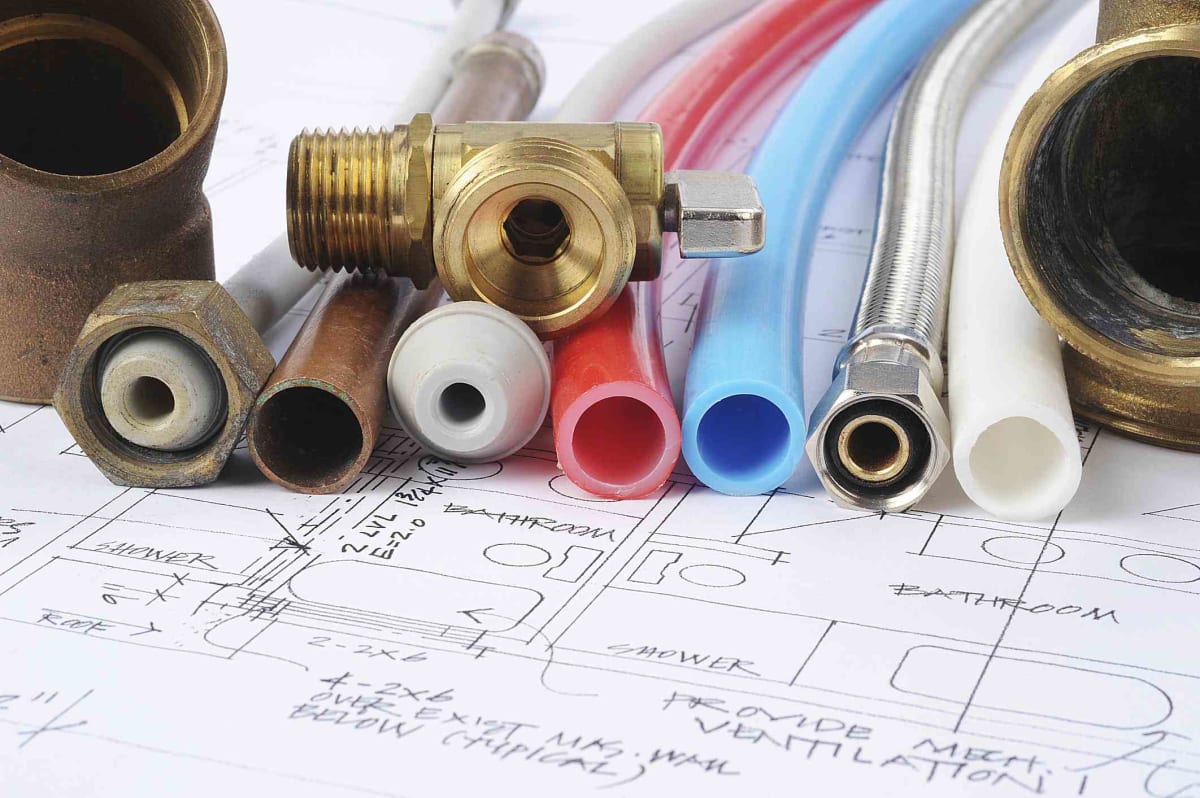
- Galvanized steel
- Copper
- CPVC
- PEX
- PVC
- ABS
all within the same home.
While having multiple pipe materials isn't automatically a problem, it often tells the story of decades of piecemeal repairs rather than a comprehensive plumbing upgrade.
When we see this, we often recommend budgeting for larger plumbing improvements rather than continuing to patch an aging system.
Why These Issues Are So Common in Salem & Keizer
Many neighborhoods throughout Salem and Keizer were developed during a time when galvanized water piping, cast iron drains, and concrete sewer lines were considered the industry standard.
Fast forward 50 to 70 years, and many of those original plumbing systems are simply reaching the end of their expected lifespan.
That doesn't necessarily mean you should avoid purchasing an older home. In fact, many older homes are incredibly well built. The key is understanding what plumbing systems are still original, what has already been updated, and what may need attention in the coming years.
Should You Get a Sewer Camera Inspection?
If you're purchasing a home built before the early 1990s, our answer is almost always yes.
A sewer camera inspection can reveal problems that simply can't be seen during a traditional home inspection, including:
- Root intrusion
- Cracked pipes
- Pipe separations
- Exposed aggregate
- Bellies
- Collapsed sewer lines
- Previous repairs
Considering that sewer repairs can cost thousands of dollars, a camera inspection is one of the most valuable investments a homebuyer can make.
The Bottom Line
Every home has imperfections, and plumbing issues don't necessarily mean you should walk away from a purchase. The important thing is understanding what you're buying before you sign on the dotted line.
Knowing the condition of the plumbing system allows you to budget for future repairs, negotiate with the seller when appropriate, and avoid unexpected surprises after moving in.
If you're buying a home in Salem, Keizer, West Salem, or anywhere in the Willamette Valley, Spectrum Plumbing would be happy to provide a professional plumbing evaluation or sewer camera inspection. We'll give you an honest assessment of the home's plumbing system so you can make an informed decision with confidence.
If you have questions or would like to schedule an inspection, give us a call at 503-917-3259. We'd be happy to help.
You can also learn more about Spectrum Plumbing, read reviews from local homeowners, or contact us through our Google Business Profile: