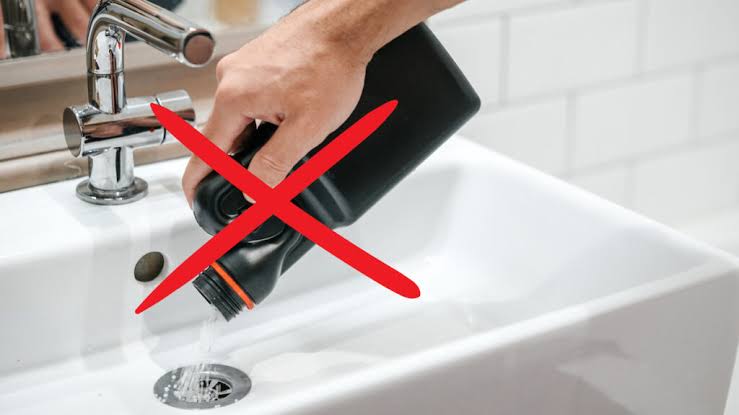
If you've ever poured a bottle of drain cleaner down a slow kitchen sink, you're not alone. Many homeowners reach for chemical drain cleaning products as a quick fix when water starts draining slowly.
Unfortunately, those products often create bigger and more expensive problems—especially in older homes with galvanized plumbing.
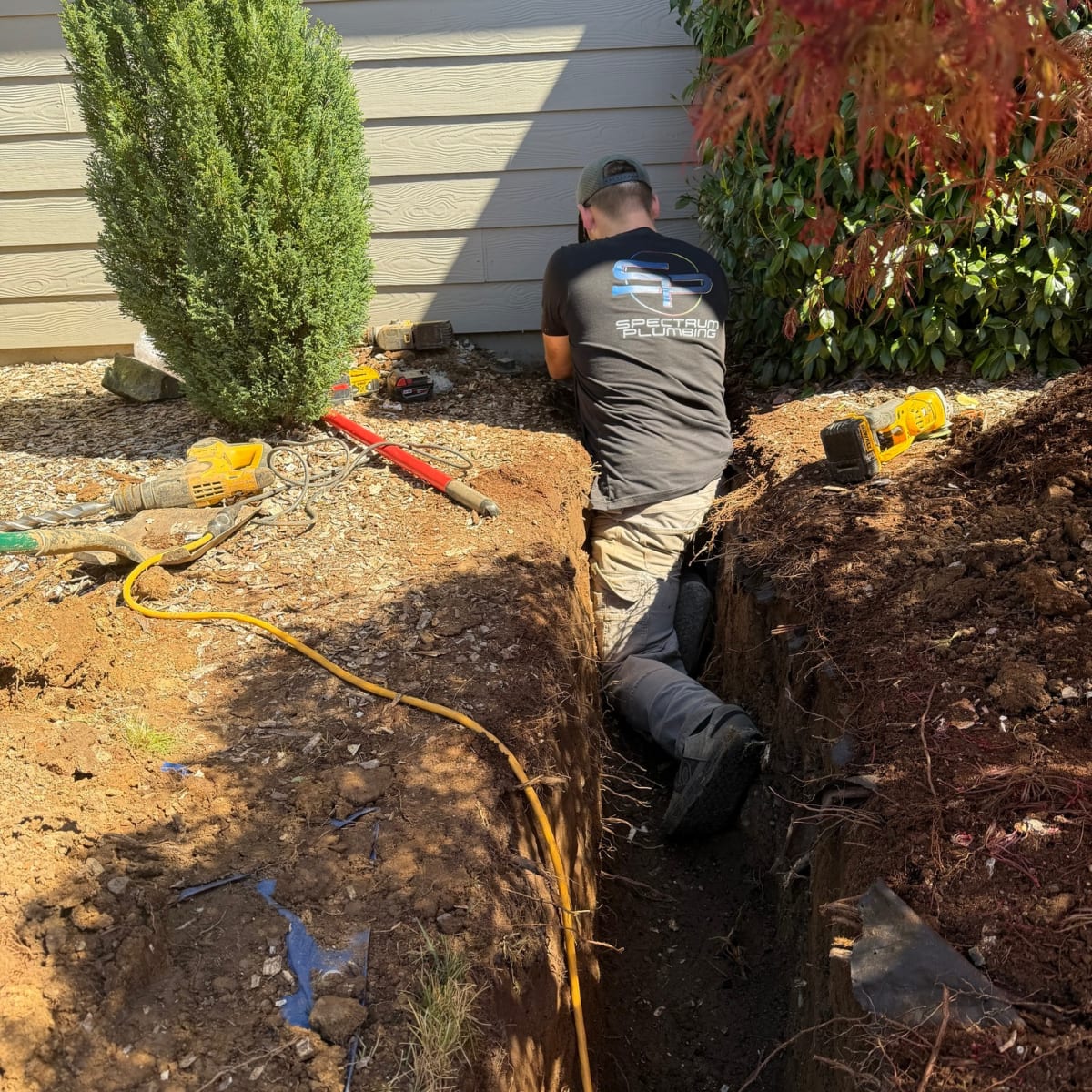
At Spectrum Plumbing, we've seen firsthand how years of grease buildup and chemical drain cleaners can damage pipes from the inside out, leading to leaks, corrosion, and costly repairs.
Why Kitchen Sink Drains Clog More Than Any Other Drain
The kitchen sink is one of the most frequently clogged drains in the home.
Every day, grease, food particles, coffee grounds, soap residue, and other debris travel down the drain. Over time, these materials stick to the inside of the piping, gradually reducing the diameter of the pipe and slowing water flow.
Many homeowners don't notice the problem until the sink begins draining slowly or backs up completely.
The Hidden Danger of Chemical Drain Cleaners
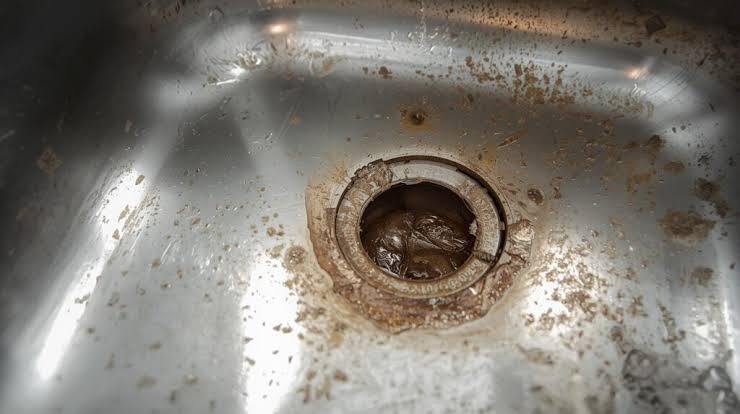
Most chemical drain cleaners work by creating a heat-producing chemical reaction designed to dissolve organic material.
While that may sound effective, the chemicals don't know the difference between a clog and your plumbing system.
These products can:
- Accelerate pipe corrosion
- Damage older galvanized piping
- Weaken pipe joints and fittings
- Harm certain plastic piping materials
- Create safety hazards for homeowners and plumbers
Repeated use often masks the underlying issue instead of solving it.
Why Galvanized Pipes Are Especially Vulnerable
Many older homes in McMinnville still contain galvanized steel piping.
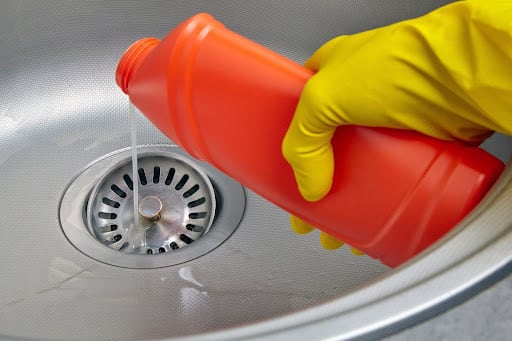
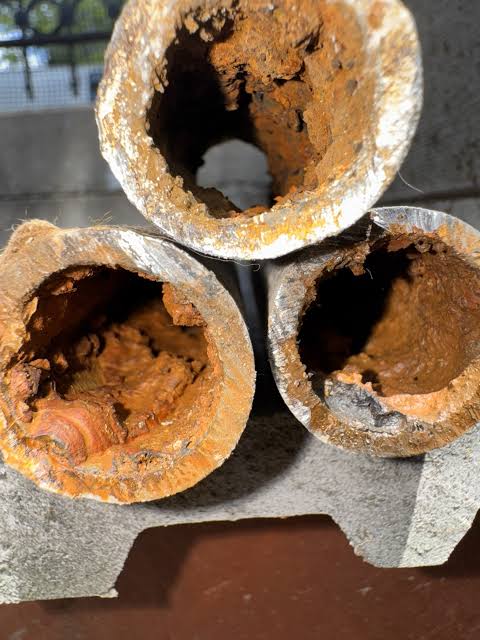
As galvanized pipes age, the protective coating inside the pipe wears away. Rust begins to form, and the pipe gradually fills with mineral deposits, corrosion, and debris.
When grease and food waste become trapped inside these rough surfaces, buildup occurs much faster.
Chemical drain cleaners can accelerate this deterioration process.
We've opened galvanized pipes that were so packed with grease, rust, and debris that only a small opening remained for water to pass through. In severe cases, the corrosion eventually eats through the pipe wall, causing leaks and water damage.
A Slow Drain Is a Warning Sign
One of the biggest mistakes homeowners make is ignoring a slow drain because it's "still working."
A slow drain is often the first sign of a developing blockage.
Addressing the issue early is typically faster, easier, and far less expensive than waiting until the drain completely backs up or the piping fails.
Simply put:
A slow drain today is usually much easier and more cost-effective to resolve than replacing damaged piping tomorrow.
What Should You Do Instead?
If you notice a slow or recurring drain problem:
- Avoid chemical drain cleaners
- Use strainers to keep debris out of drains
- Avoid pouring grease down kitchen sinks
- Schedule professional drain cleaning when needed
- Have older plumbing systems inspected if recurring clogs occur
Professional drain cleaning removes the blockage without exposing your plumbing system to harsh chemicals.
Protect Your Plumbing Investment
Your plumbing system is one of the most important systems in your home. While chemical drain cleaners may seem like a quick and inexpensive solution, they often contribute to long-term damage—especially in older galvanized piping systems.
If you're dealing with slow drains, recurring backups, or suspect your home may have aging galvanized pipes, addressing the problem early can help prevent costly repairs down the road.
Need Help with Slow Drains?
Spectrum Plumbing provides professional drain cleaning, plumbing repairs, leak detection, repipes, and plumbing inspections throughout McMinnville and the surrounding Willamette Valley.
Call us today to schedule service and keep your plumbing system flowing properly.
Spectrum Plumbing LLC CCB #255257 503-917-3259 https://spectrumplumbingllc.com
Leave us a review: https://share.google/L5NbAolKxCRHqZLqc